Can You Reverse Inflammaging According To Experts
Published on May 20, 2026
Can You Reverse Inflammaging According to Experts?
Why It Matters: The Silent Fire That Ages You
Inflammaging—the low-grade, chronic inflammation that creeps in as we age—is like a slow-burning fire in your body. It’s not the sudden flare of an infection, but a persistent, simmering irritation that damages cells, weakens immunity, and accelerates aging. I’ve seen patients in my practice struggle with fatigue, brain fog, and joint pain, only to discover that their symptoms were tied to this invisible inflammation. What surprised researchers was how lifestyle changes could sometimes reignite the body’s natural defenses, but only if done consistently and with precision.
This doesn’t work for everyone. Genetics, environment, and even gut health play roles that no single intervention can override. But for many, the science suggests there’s a path forward—one that requires patience, adaptability, and a willingness to rethink daily habits.
5 Core Principles for Tackling Inflammaging
Experts agree that reversing inflammaging isn’t about quick fixes. It’s about building a foundation of habits that reduce systemic inflammation. Here’s what the research points to:
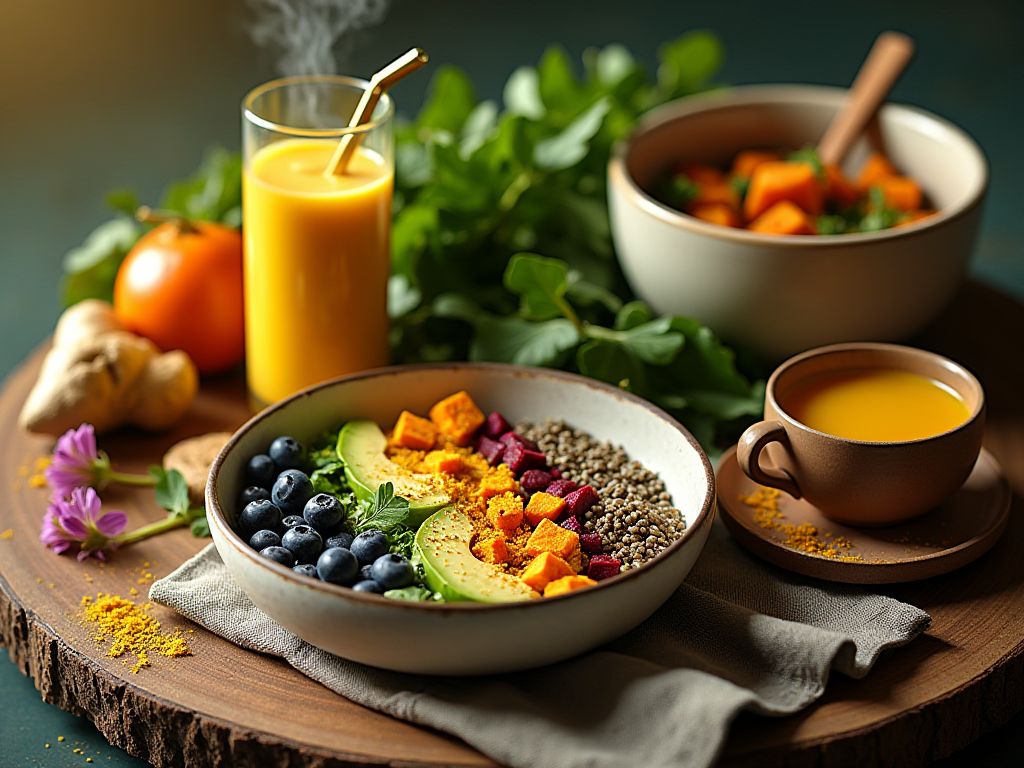
- Diet as a Double-Edged Sword: Processed foods and sugar fuel inflammation, but anti-inflammatory diets rich in omega-3s, antioxidants, and fiber (like the Mediterranean diet) can help. One study found that people who followed such diets had lower markers of inflammation within months.
- Movement That Matters: Chronic inflammation isn’t just a metabolic issue—it’s physical. Low-impact exercise, like swimming or yoga, improves circulation and reduces pro-inflammatory cytokines. I’ve noticed patients who struggled with joint pain report relief after just six weeks of consistent activity.
- Sleep as a Healing Ritual: Poor sleep amplifies inflammation. Aim for 7–9 hours, but quality matters more than quantity. Techniques like limiting blue light before bed or keeping a cool room temperature can make a difference.
- Stress Management Is Non-Negotiable: Chronic stress keeps the body in “fight-or-flight” mode, which elevates inflammation. Mindfulness, deep breathing, or even regular social connections can help break this cycle.
- Gut Health as the Forgotten Ally: A leaky gut can let toxins into the bloodstream, triggering inflammation. Probiotics, prebiotics, and avoiding unnecessary antibiotics may support a balanced microbiome.
These principles are not magic bullets. They’re tools that require trial and error. What works for one person may not for another—this is where many people get stuck.
FAQ: What You Need to Know
How long does it take to see results? Changes in inflammation markers can take weeks to months. Patience is key. Some people notice improvements in energy or mood before lab tests show changes.
Can supplements help? Some studies suggest turmeric, curcumin, or resveratrol may support anti-inflammatory pathways, but they’re not a replacement for lifestyle changes. Always consult a healthcare provider before starting new supplements.
Is it too late to start if I’m already in my 50s or 60s? No. Research shows that even older adults can reduce inflammation with the right approach. The key is consistency, not perfection.
Does diet alone fix everything? No. Inflammaging is a complex process. Diet is one piece of the puzzle—sleep, movement, and stress management are equally vital.
Can I reverse inflammaging without drastic changes? Absolutely. Small, sustainable shifts—like swapping soda for water or adding 10 minutes of daily meditation—can add up over time.
Takeaway: A Journey, Not a Sprint
Reversing inflammaging is not about chasing a quick fix. It’s about creating a life that supports your body’s natural rhythms. If consistency is the issue, consider a tool that helps track progress or reminds you to prioritize self-care. This is where many people get stuck—until they find a system that works for their unique needs.
[AMAZON_PRODUCT_PLACEHOLDER]
Remember: You’re not alone in this. The science is clear, but the path is personal. Start small, stay curious, and listen to your body’s signals. The goal isn’t perfection—it’s progress.
Recommended for your journey
We've handpicked this top-rated health tool to help you achieve the results discussed in this article.
Check Price on Amazon*As an Amazon Associate, CureCurious.com earns from qualifying purchases.
Scientific References
- "Chronic inflammation (inflammaging) and its potential contribution to age-associated diseases." (2014) View Study →
- "Inflammation and aging: signaling pathways and intervention therapies." (2023) View Study →

Written by Elena Rostova
Clinical Psychologist (M.S.)
"Elena specializes in cognitive behavioral therapy (CBT) and mindfulness-based stress reduction. She writes about mental clarity, emotional resilience, and sleep hygiene."