
Immune System
Sglt2 Inhibitors: The Modern Revolution In Protecting Renal Function
Chronic kidney disease isn’t just about frequent bathroom trips.
Chronic kidney disease isn’t just about frequent bathroom trips.

Every winter, headlines scream about a new pathogen causing "extreme fatigue" and "unexplained throat pain." In 2025, the narrative is no different.

Think creatine is a kidney time bomb?

Imagine a protein that could turn the body’s most fragile organs into self-healing machines.

Think of your gut as a 24/7 security force.

Imagine waking up one morning, feeling a dull ache in your joints, a fog in your mind, and a gnawing sense that something is off.

Every time you turn on the tap, drink from a can, or walk through a city, you’re exposed to a cocktail of heavy metals—lead, mercury, cadmium, arsenic.
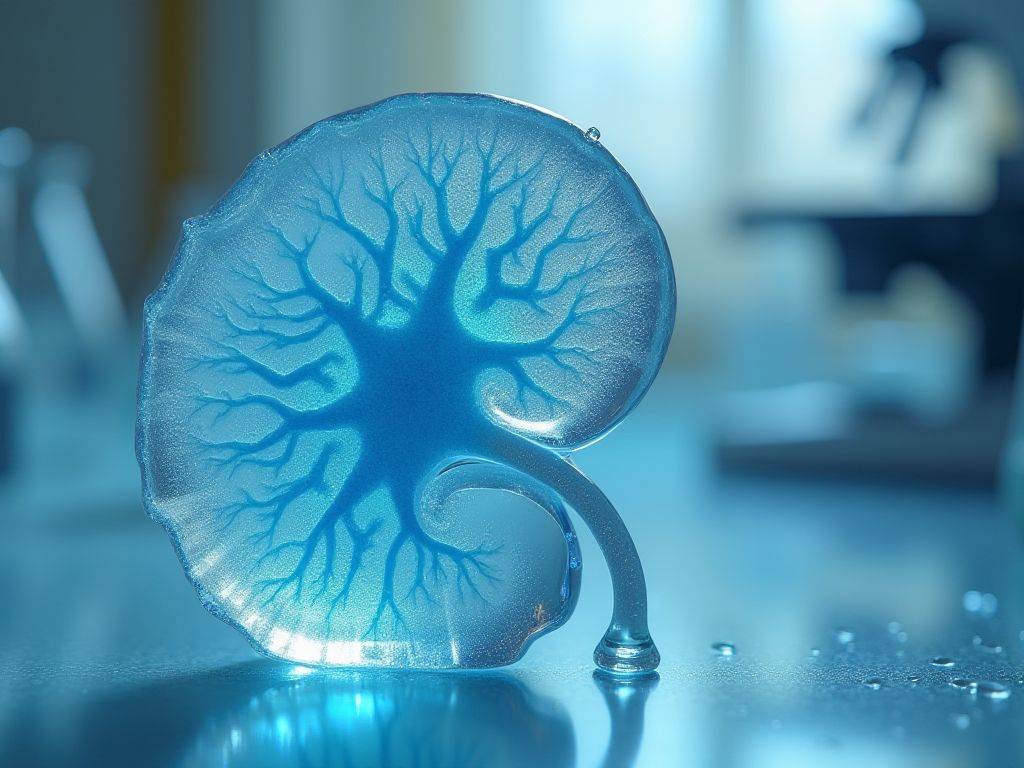
During moments of high stress, your body’s internal systems go into overdrive.

Imagine a fortress at the entrance of your respiratory tract, constantly repelling invaders before they reach your lungs.

Mitophagy—the process by which cells recycle broken mitochondria—is a lifeline for kidney health.
Quercetin can enhance zinc’s antiviral effects, but only under specific conditions.
Imagine waking up one morning to a dull, unshakable ache in your joints.
Immunity isn’t a one-size-fits-all puzzle.

Most people think kidney disease is a solo act—something that happens in the kidneys, not the gut.

For years, the connection between gut health and skin conditions has been overlooked.

Picture this: You’ve just finished a grueling workout, your muscles burn, and your mind is buzzing with pride.

Did you know that your gut is home to 70% of your immune system?

Did you know that chronic inflammation is the root cause of 70% of all diseases?

As skin ages, it becomes increasingly vulnerable to chronic inflammation—a silent culprit behind wrinkles, uneven texture, and a compromised barrier.
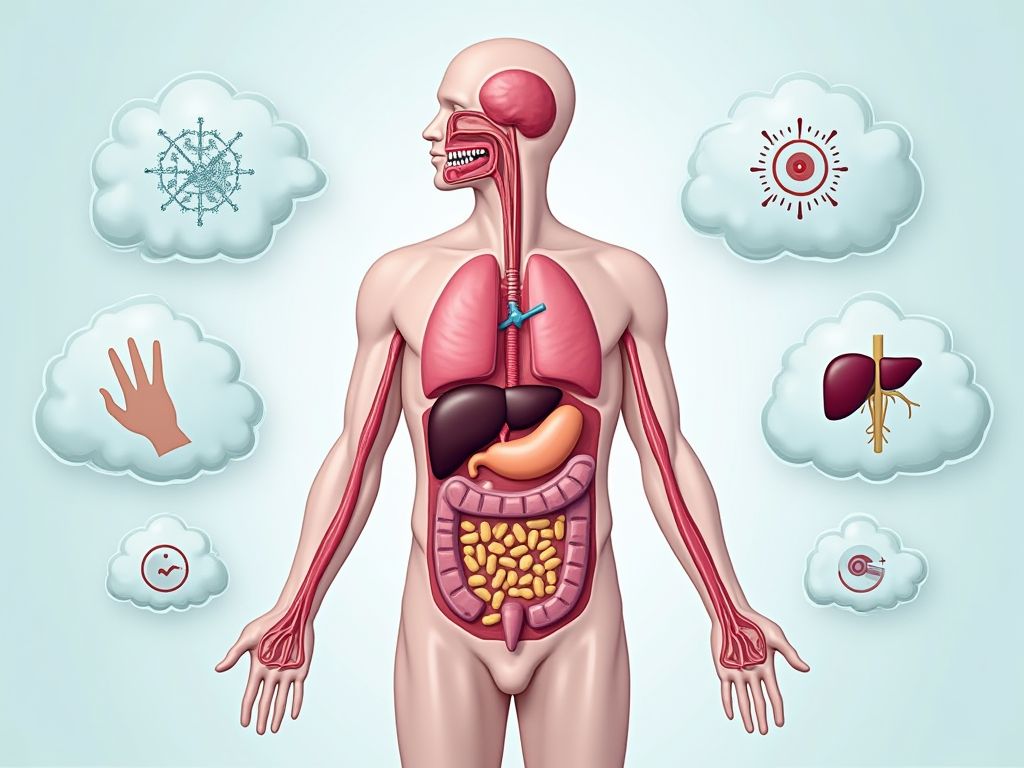
As we age, the body’s defenses weaken, and the consequences of seemingly minor health issues can compound into serious, long-term risks.
Hi! At CureCurious, we invest a lot in research to bring you the best health insights. Please consider disabling AdBlock to support our work.