
Nutrition & Diet
Food Timing Explained In High Stress Lifestyles
Imagine a world where the timing of your meals could rewrite how your body handles stress, fatigue, and even aging.
Imagine a world where the timing of your meals could rewrite how your body handles stress, fatigue, and even aging.

For decades, we’ve treated soil as a passive resource — a foundation for crops, not a dynamic system.

As we age, the gut’s ability to process food shifts dramatically.

Every time I see a post claiming that your 30s are a “golden age of inflammation,” I roll my eyes.

Imagine your cells carrying a silent emergency beacon, flashing red every time you eat a legume or a nightshade.

Optimizing performance hinges on more than just eating “well”—it depends on how your body actually absorbs nutrients.

For decades, scientists have puzzled over why some people thrive into their 80s while others with identical lifestyles decline.

Chronobiology—the science of biological rhythms—reveals a sobering truth: for sedentary individuals, the when of eating matters as much as the what.

What if the most optimized diet in the world still left you feeling sluggish, foggy, or short on energy?

Most active adults assume their diet is sufficient if they eat "clean" and "whole foods." But here’s a truth your doctor might not mention: soil depletion has quietly altered the n...

Imagine waking up feeling sluggish, your body clinging to fat despite meticulous dieting, yet your blood tests show no glaring abnormalities.
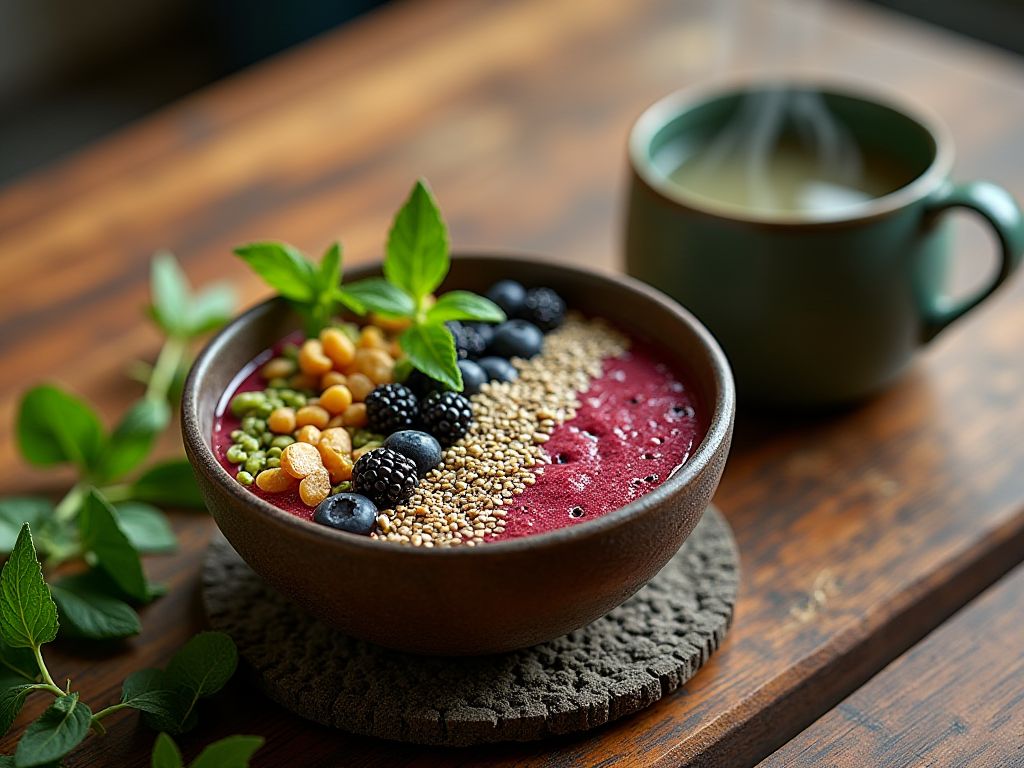
Emotional eating isn’t a character flaw—it’s a survival mechanism that evolved to help us cope with stress, loneliness, or fear.

Imagine sitting down to a meal you’ve loved your whole life, only to feel bloated, gassy, or sluggish within minutes.

Ultra-processed foods aren’t just bad for your waistline—they’re a silent disruptor of your body’s most basic functions.

Phytic acid, a compound lurking in grains, legumes, and seeds, is often dismissed as a mere obstacle to mineral absorption.

There’s a quiet rebellion happening in your body.

Imagine this: You’ve just survived a grueling workday, your cortisol levels are sky-high, and the first thing your brain craves is a sugary snack.

You’ve heard the warnings: phytates, oxalates, lectins—anti-nutrients lurk in whole grains, legumes, and leafy greens, sabotaging your iron and calcium absorption.
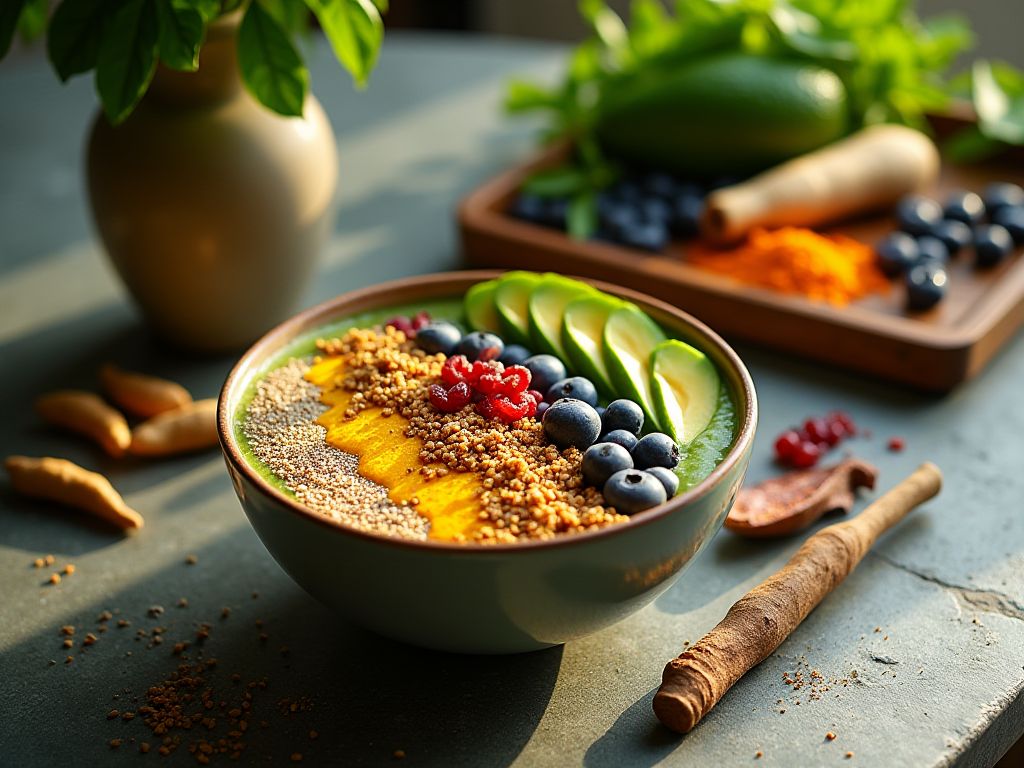
Think of your skin as a silent messenger.

You’ve followed every diet guideline, tracked your macros, and avoided processed foods—yet your energy plummets midday, your digestion feels sluggish, and your weight stalls.
Hi! At CureCurious, we invest a lot in research to bring you the best health insights. Please consider disabling AdBlock to support our work.